
Introduction: Keeping the Rails Rolling and the Workforce Well
Railroad workers form the backbone of the transportation infrastructure, ensuring the safe and timely movement of goods and people across vast distances. From signal maintainers and engineers to conductors and track inspectors, the responsibilities are immense—and so are the risks. The physically demanding nature of the job, long and irregular hours, mental stress, exposure to loud noise, and the need for high alertness make railroad work uniquely challenging. Ensuring the health, safety, and well-being of railroad workers is not just an act of care—it’s a business imperative that supports operational efficiency, safety outcomes, and retention.
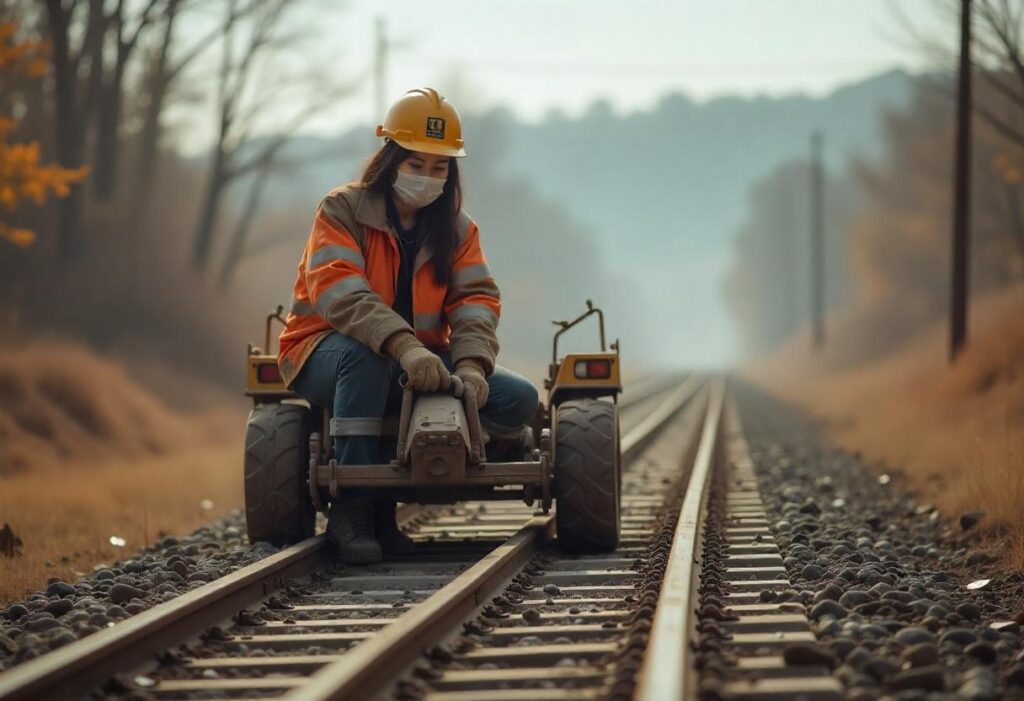
Image from Freepik
With changing demographics, technological evolution, and an increased focus on occupational health, the wellness needs of railroad employees demand modern, proactive, and sustainable solutions. This blog explores holistic strategies to support railroad worker wellness—on and off the tracks.
The Unique Challenges of Railroad Work
- Physically Demanding Labor
Railroad workers frequently engage in heavy lifting, repetitive tasks, bending, kneeling, and standing for extended periods. Over time, this leads to chronic musculoskeletal issues.
Example: A 2021 study by the Federal Railroad Administration (FRA) found that nearly 60% of track maintenance workers reported lower back pain that interfered with their duties.
- Irregular Shifts and Long Hours
Rail operations run around the clock, meaning employees often work night shifts, overtime, and remain on call. This disrupts circadian rhythms and contributes to:
- Sleep deprivation
- Increased fatigue
- Poor diet and exercise habits
- High-Stakes Responsibility
A moment’s lapse in attention can result in catastrophic accidents. This constant pressure to maintain high vigilance can lead to stress and anxiety over time.
- Occupational Hazards
From hearing loss due to prolonged noise exposure to exposure to diesel exhaust and hazardous materials, the risks are real and pervasive.
The Case for a Railroad Worker Wellness Strategy
Investing in wellness isn’t just about avoiding injury—it’s about creating a thriving workforce. The benefits include:
- Reduced absenteeism and presenteeism
- Lower injury and healthcare costs
- Improved worker morale and retention
- Better compliance with OSHA and FRA safety standards
- Boosted productivity and operational reliability
Pillars of a Comprehensive Wellness Program for Railroad Workers
- Physical Health & Injury Prevention
a. Ergonomic Assessments and Adjustments
- Equip workers with ergonomic tools (e.g., anti-vibration gloves, adjustable tools).
- Train teams on safe lifting, posture, and body mechanics.
b. On-the-Job Stretching Programs
Companies like BNSF Railway have implemented pre-shift stretching programs that reduce injury rates and improve mobility.
c. Preventive Screenings
- Annual check-ups, physical exams, and biometric screenings.
- Partner with occupational health clinics familiar with railroad risks.
d. On-Site Physical Therapy and Rehab Access
Mobile units or telehealth PT can support injured workers without taking them off the field for extended periods.
- Mental Health and Stress Management
a. Mental Health First Aid and Awareness Training
- Train supervisors to recognize signs of stress, PTSD, substance abuse, or burnout.
- De-stigmatize mental health discussions.
b. Employee Assistance Programs (EAP)
Confidential counseling for workers dealing with anxiety, depression, trauma, or family issues.
c. Peer Support Programs
Union Pacific’s Peer Support Program trains employees to provide emotional support to coworkers, particularly after traumatic incidents like suicides on the tracks.
d. Sleep Health Education
- Offer guidance on sleep hygiene and managing fatigue.
- Consider partnerships with sleep clinics, especially for shift workers.
- Nutrition and Healthy Living Support
a. Healthy Eating on the Go
Many railroad workers eat at trackside diners or rely on vending machines. A wellness program should:
- Provide healthy snack boxes or meal kits.
- Offer discounts at participating healthy food vendors.
b. Mobile Cooking Demonstrations
Offer wellness outreach events with quick, nutritious meal demos that can be replicated on the road.
c. Hydration Campaigns
Dehydration is a common issue in extreme weather conditions. Free water bottles, hydration tracking apps, and water coolers at work sites can help.
- Fitness and Activity Promotion
a. Mobile-Friendly Fitness Programs
Create 10–15 minute exercise routines accessible via app or printed cards that can be done during layovers or before shifts.
b. Incentive-Based Challenges
Reward workers for walking, biking, or participating in fitness-related challenges. Norfolk Southern introduced a step challenge with wearable devices tied to wellness rewards.
c. Fitness Facilities or Gym Membership Subsidies
- Offer gym access where feasible.
- Partner with national chains for discounted rates.
- Substance Abuse Prevention and Recovery Support
The FRA mandates regular drug and alcohol testing—but prevention is even more effective.
a. Random Testing + Wellness Support
Pair testing programs with genuine wellness services to promote recovery over punishment.
b. Recovery-Focused Policies
Develop supportive policies for substance misuse—providing time-off for treatment, follow-ups, and reintegration plans.
c. Train Supervisors in Intervention Techniques
Allow managers to intervene early with compassion and refer employees to treatment rather than discipline.
- Safety Culture and Psychological Safety
a. Leadership Engagement in Safety
When managers show genuine concern for safety and wellness, employees are more likely to take these issues seriously.
b. Near-Miss Reporting Systems
Encourage reporting unsafe conditions without fear of retaliation.
c. Behavior-Based Safety Programs
Use data and peer coaching to encourage safe behaviors.
Anecdote: A CSX employee credited a peer-driven safety reminder with preventing a back injury—proof that wellness culture can start with one person speaking up.
- Family and Community Wellness Engagement
a. Family Wellness Events
Hold health fairs and safety days where families are invited—this boosts morale and allows families to engage in the importance of health.
b. Educational Resources
Send newsletters, webinars, and guides to workers’ homes so families can support each other’s wellness.
c. Community Outreach
Partner with local clinics or fitness centers to provide services and extend program reach.
Technology and Innovation in Railroad Wellness
1. Wearable Tech
- Monitor fatigue and alertness (like the SmartCap fatigue monitoring system).
- Track physical activity and heart rate.
2. Wellness Apps
Apps tailored to railroad workers can include:
- Shift scheduling tools
- Sleep and hydration reminders
- Access to mental health resources
3. Telemedicine Integration
Given the mobile nature of the workforce, telemedicine access (even via tablets in breakrooms or cabs) can bridge healthcare gaps.
Regulatory Compliance and Best Practices
Railroad wellness strategies must align with:
- FRA Safety Regulations
- OSHA Guidelines for Occupational Safety
- HIPAA Compliance in Health Data Collection
- ADA for Workers with Disabilities
Always involve legal and compliance officers when designing programs.
Measuring Success: Metrics and ROI
To ensure program value, track:
- Injury and illness rates
- Absenteeism and turnover
- Participation in wellness activities
- Utilization of EAP and health screenings
- Employee satisfaction surveys
Example: After implementing a multi-pronged wellness initiative, Amtrak reported a 20% reduction in lost workdays due to musculoskeletal injuries within 18 months.
Real-World Success Stories
BNSF Railway: Stretch and Flex
This initiative included pre-shift warm-up sessions across operations. It reduced soft-tissue injuries by 35% over two years and was widely accepted by union employees.
Union Pacific: Total Health Program
Their program spans biometric screenings, mental health support, nutrition resources, and tobacco cessation. Participation rates improved with targeted communication and leadership modeling wellness behaviors.
Canadian National Railway: Wellness Portals
Their online platform provides access to educational videos, health assessments, and appointment bookings—available even to mobile and field workers.
Overcoming Barriers to Implementation
- Mobile Workforce
Solution: Use mobile apps, train supervisors as wellness ambassadors, and integrate wellness into team meetings.
- Union Collaboration
Solution: Engage union reps early. Show how wellness improves safety and worker longevity.
- Budget Constraints
Solution: Start small. Focus on high-impact, low-cost solutions like sleep education or peer support.
Conclusion: Staying on Track Toward Healthier Railroads
Railroad worker wellness is about more than safety helmets and hardhats—it’s about supporting the physical, mental, and emotional resilience of an essential workforce that keeps the nation moving. With the right strategy, even the most mobile and high-risk jobs can benefit from wellness programs tailored to the realities of railroad life.
As railroad companies embrace modern wellness strategies—anchored in safety, accessibility, and compassion—they not only reduce risks but build a culture where every worker feels valued, empowered, and healthier.