
If you’ve ever hit a 3 p.m. slump and wondered why your brain feels foggy and your body heavy, hydration may be part of the story. Even mild dehydration—well before you feel noticeably thirsty—can drain your energy, dull your focus, and trigger headaches or cravings. Studies suggest that losing just 1–2% of body water can impair concentration, short-term memory, and reaction time. That’s enough to make a busy workday feel like a marathon.
This article is your playbook for using hydration as a steady energy source. We’ll explore how hydration supports performance, how much you really need, how to personalize it around your lifestyle, and dozens of practical strategies to stay sharp, focused, and energized from morning to night.
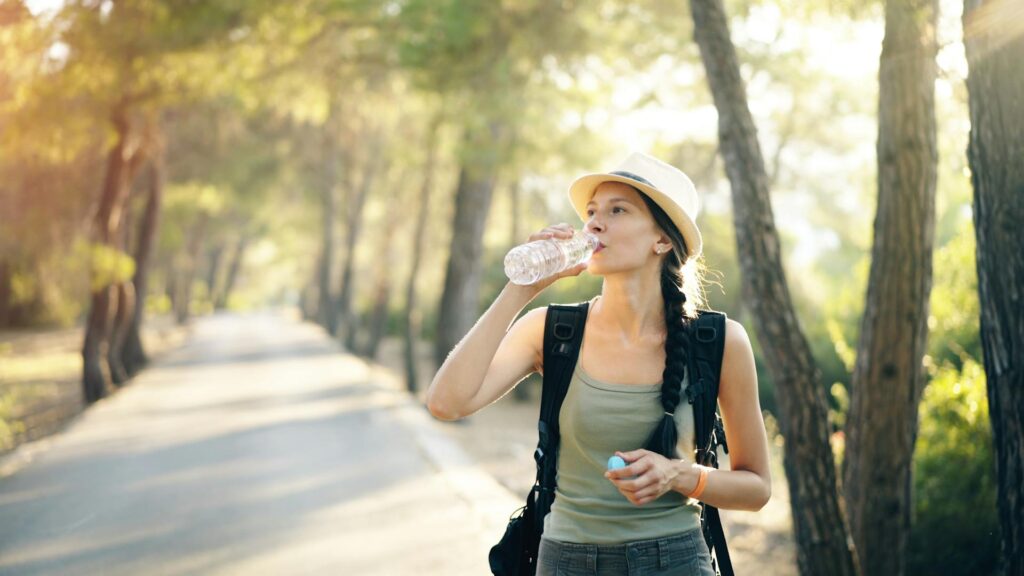
Photo by Vitaly Gariev
Why Hydration Equals Energy
Water is the medium through which oxygen, nutrients, and electrolytes move throughout your body. When you’re even slightly dehydrated:
- Blood thickens and circulation slows, so oxygen and nutrients move less efficiently.
- Brain signaling becomes sluggish, making it harder to focus or switch tasks.
- Body temperature regulation suffers, leaving you feeling hotter and more fatigued.
What’s tricky is that mild dehydration doesn’t always trigger intense thirst. Instead, it shows up as fatigue, brain fog, or even cravings. The familiar “afternoon crash” often has as much to do with hydration as with caffeine or sugar levels.
How Much Water Do You Really Need?
There isn’t a one-size-fits-all answer. Climate, body size, diet, and activity level all matter. However, widely accepted guidelines suggest:
- Men: Around 3.7 liters (15–16 cups) daily from all beverages and food.
- Women: Around 2.7 liters (11–12 cups) daily from all beverages and food.
Since about 20% of fluids come from food (fruits, vegetables, soups, yogurt), the rest should come from drinks. Remember, coffee, tea, and milk all count toward hydration.
The Urine-Color Rule
One of the simplest hydration checks is urine color:
- Pale yellow (like straw): Well hydrated.
- Dark yellow or amber: Likely under-hydrated.
- Very clear all day: Possibly overdoing water.
It’s not perfect—vitamins and diet can affect color—but it’s a practical, everyday guide.
Timing Hydration for Energy
Hydration works best as a steady drip, not an occasional flood. Think of it like charging your phone: you wouldn’t let it hit 5% before plugging in.
Morning: Refill the Tank
- Start with 300–500 mL (1–2 cups) upon waking.
- Add another cup with breakfast.
- Coffee or tea? No problem. Moderate caffeine counts toward hydration.
Anecdote: One professional who had daily morning headaches switched to 2 cups of water upon waking. Within a week, the headaches vanished and early-morning meetings felt clearer.
Mid-Morning: Maintain Momentum
- Keep a water bottle on your desk.
- Aim for a cup per hour while working in a climate-controlled environment.
Afternoon: Beat the Slump
- Around 2 p.m., drink 300–500 mL with a protein-rich snack.
- Pair caffeine (if you take it) with water.
Evening: Gentle Top-Up
- 1–2 cups with dinner.
- After dinner, sip lightly to avoid overnight wake-ups.
Hydration for Workouts (Without the Guesswork)
Exercise changes the rules. You sweat, you lose fluid and electrolytes—especially sodium—and your brain and muscles run hotter and harder. Smart hydration keeps performance and recovery humming.
Pre-Workout (2–4 Hours Before)
- Guideline: Take in ~5–7 mL per kg body weight in the 4 hours before exercise (e.g., ~350–490 mL for a 70 kg person), adjusting to your comfort and urine color.
During
- General starting point: 200–300 mL every 10–20 minutes, then personalize.
- Pro move: Weigh yourself nude or in dry clothes before and after a typical session. Each 0.45 kg (1 lb) lost ≈ ~16 oz (475 mL) fluids to replace. Use this to fine-tune on future days.
Electrolytes (Especially Sodium)
- For sessions >60–90 minutes, heat, or if you’re a “salty sweater” (visible salt marks on clothes/skin), include sodium:
- 10–30 mmol/L sodium in your drink (~230–690 mg/L) aids absorption and retention and helps prevent hyponatremia.
- A practical rule of thumb for longer, sweaty workouts: ~300–600 mg sodium per hour, individualized to sweat rate. Commercial sports drinks usually fall in this range.
Post-Workout
- Replace ~150% of fluid lost over the next 2–4 hours (because you continue to sweat and urinate after finishing). So if you lost 1 lb, aim for ~24 oz (~700 mL) total post-exercise fluids. Add a salty snack or an electrolyte mix if you’re a heavy/salty sweater.
A Critical Caution: Don’t Overdo It
Endurance athletes sometimes overdrink plain water and dilute their blood sodium—exercise-associated hyponatremia (EAH)—which can be dangerous. To reduce risk during prolonged events, avoid aggressive forced drinking; drink to thirst, and include sodium when appropriate.
Coffee, Tea, and Caffeine: The Truth
For years, people believed coffee dehydrates you. Research now shows that moderate caffeine doesn’t cancel out hydration. For most people:
- Coffee and tea do count toward hydration.
- Moderate caffeine (200–400 mg/day) is safe for most adults.
- Pair coffee with water to balance intake.
Hydrating Foods: Eat Your Water
You don’t have to drink everything. About 20% of daily water usually comes from food, especially fruits, vegetables, soups, yogurt, and cooked grains. Build these into meals and snacks to raise hydration “quietly” without feeling like a fish.
High-water heroes:
- Cucumbers, tomatoes, watermelon, oranges, berries, grapes
- Leafy greens and broccoli (water + potassium)
- Greek yogurt, cottage cheese (water + protein)
- Oats and soups/stews (water trapped in foods)
Energy tip: Pair water-rich foods with protein and complex carbs (e.g., yogurt + fruit + granola; veggie-packed grain bowls). You’ll stabilize glucose and hydration together—two pillars against fatigue.
Electrolytes, Explained (Without the Hype)
Electrolytes—especially sodium, plus potassium, magnesium, and chloride—help your body retain and properly distribute fluid. Most people eating a normal diet get enough potassium and magnesium; sodium is the one that matters most during long or hot exercise and for very heavy sweaters.
When electrolytes help:
- Workouts or outdoor labor >60–90 minutes, especially in heat/humidity
- You notice white salt streaks on your hat/shirt
- You feel cramp-prone and sluggish in long sessions
- You’re recovering from GI illness and rebuilding fluid/electrolytes
Simple options:
- Sports drinks with ~230–690 mg sodium/L or dissolvable electrolyte tabs
- A pinch of salt + citrus in water (DIY)
- Salty snacks (pretzels, broth, pickles) alongside water after long sessions
Avoid overcorrection: Don’t mega-dose sodium without reason; tailor to your sweat rate and conditions.
Common Signs of Dehydration
- Headaches
- Low energy or brain fog
- Dark yellow urine
- Cramping during activity
- Dry mouth or lips
- Food cravings
These often appear before you feel intense thirst.
Scenario-Based Hydration Hacks
Office Days
- Keep water in your line of sight.
- Sip before every meeting or phone call.
- Pair every snack with water.
Travel Days
- Pre-board: 500 mL.
- In-flight: 250 mL/hour.
- Post-landing: 300–500 mL plus a light snack.
Parenting or Caregiving
- Mirror your child’s hydration schedule.
- Use spill-proof bottles you can carry around.
Hot Weather or Outdoor Work
- 1–2 extra cups each hour.
- Add sodium for multi-hour exposure.
Myths Busted
- “Coffee dehydrates you.” False. Coffee hydrates, though caffeine can slightly increase urination.
- “Drink as much water as possible.” Dangerous. Overhydration without electrolytes can cause hyponatremia.
- “Sports drinks are only for athletes.” They help anyone during long or hot sessions.
Building a Personal Hydration Plan
- Set anchors: Wake-up, meals, mid-afternoon.
- Add exercise rules: Pre-, during, and post-workout guidelines.
- Test and adjust: Track urine color, energy levels, and headaches.
- Make cues visible: Place water where you naturally look.
Real-World Case Studies
Case 1: The Afternoon Zombie
A project manager who only drank coffee added 350 mL water at wake-up and again mid-afternoon. Within two weeks, headaches decreased and productivity improved.
Case 2: The Salty Sweater
A recreational runner switched from plain water to electrolyte drinks during long runs. Cramping disappeared, and recovery improved.
Case 3: The Frequent Flyer
A consultant added a pre-flight and post-landing hydration habit. Result: fewer day-two crashes after travel.
Quick FAQ
Does sparkling water hydrate? Yes.
Why do I pee constantly when drinking more? Spread it out, add sodium, and pair with meals.
Do hydration powders work? Yes, but usually only necessary for long exercise or illness recovery.
A Weeklong Hydration Challenge (Try This)
Day 1–2: Awareness
- Track how many cups you actually drink; note energy dips and urine color.
Day 3–4: Anchors
- Add 1–2 cups at wake and 1 cup midafternoon. Pair caffeine with equal water.
Day 5–6: Personalize
- Do one sweat test on a typical workout; set a during and post hydration target from the result.
Day 7: Reflect
- Note changes in afternoon energy, headaches, and workout recovery. Adjust baseline by ±250–500 mL/day as needed.
When to Seek Medical Input
Hydration strategies in this article are for generally healthy adults. If you have kidney, heart, or endocrine conditions, are pregnant/breastfeeding, or take medications that affect fluid balance, consult your clinician for personalized guidance. If you experience confusion, persistent vomiting, fainting, severe cramps, or rapid weight changes around exertion or heat, seek medical care.
Conclusion: Small Sips, Big Energy
Hydration isn’t about lugging a gallon jug everywhere. It’s about timing, consistency, and context—enough fluid in the right moments, with electrolytes when needed, and a rhythm that matches your day. The payoff is tangible: clearer thinking, steadier energy, better workouts, smoother recovery, and fewer headaches. Build your anchors (morning, meals, midafternoon), personalize around activity and climate, and use simple cues (bottle placement, meeting sips, snack pairings) to make hydration effortless.
Most importantly, listen to your body—and teach it to trust you. A few well-placed sips can turn a sluggish day into a strong finish.