Employee wellness programs are essential for fostering healthier, happier, and more productive workforces. However, the success of these programs often hinges on participation rates and sustained engagement. Promoting activities within wellness programs effectively can mean the difference between a vibrant, impactful initiative and one that fades into obscurity. This document explores strategies for promoting wellness activities, bolstering engagement, and driving meaningful outcomes.
Why Effective Promotion Matters
Without strategic promotion, even the most well-designed wellness programs can fall flat. Low awareness and participation rates often result from a lack of communication or alignment with employee interests. The benefits of effective activity promotion include:
- Increased Participation: Employees are more likely to engage when they clearly understand the activities and their value.
- Sustained Engagement: Continuous promotion ensures long-term commitment to wellness goals.
- Improved Outcomes: Higher participation correlates with better health metrics, reduced absenteeism, and greater productivity.
Key Challenges in Activity Promotion
Before diving into strategies, it’s crucial to address common barriers:
- Limited Awareness: Employees may not know about available wellness activities or how to participate.
- Perceived Lack of Relevance: Programs might not resonate with diverse employee needs and interests.
- Time Constraints: Employees often cite busy schedules as a reason for non-participation.
- Inadequate Communication: Poorly timed or overly generic messaging can fail to capture attention.
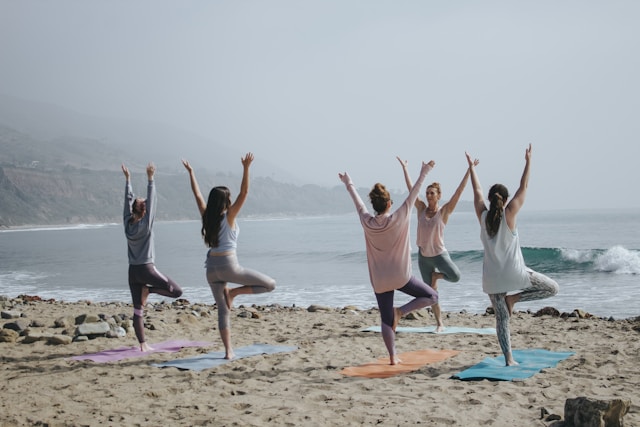
Photo by Kaylee Garrett on Unsplash
Strategies for Effective Activity Promotion
To overcome these challenges, wellness programs need to employ a mix of targeted communication, engaging content, and personalized outreach. Below are strategies supported by examples, anecdotes, and actionable steps.
-
Understand Your Audience
A. Conduct Needs Assessments
- Use surveys, focus groups, or one-on-one interviews to identify employee interests and barriers to participation.
Example: A tech company discovered that employees preferred virtual yoga sessions over in-person classes due to flexible schedules. By tailoring offerings to these preferences, participation increased by 40%.
B. Segment the Workforce
- Categorize employees by demographics, job roles, or health goals to create tailored promotions.
Anecdote: A manufacturing firm divided employees into groups based on their shifts and promoted wellness activities specific to each group’s timing and needs.
-
Craft Compelling Messaging
A. Highlight Benefits
- Clearly communicate the “what’s in it for me” factor, focusing on personal benefits like reduced stress, better energy, or potential rewards.
Example: Instead of saying, “Join our walking challenge,” use, “Boost your energy and earn exciting prizes with our walking challenge!”
B. Use Storytelling
- Share success stories of employees who benefited from past wellness activities.
Anecdote: An HR manager shared the story of an employee who lost 15 pounds and improved their mental health through the company’s fitness program. This inspired colleagues to participate.
C. Use Positive Language
- Frame activities in an inviting, non-intimidating manner. Avoid terms that may sound daunting, like “boot camp,” unless the audience aligns with that tone.
-
Leverage Multiple Communication Channels
A. Digital Platforms
- Use emails, intranets, and mobile apps to announce and track wellness activities.
Example: A retail chain launched an app where employees could register for wellness events, log their progress, and earn rewards.
B. Visual Reminders
- Place posters, flyers, or digital signage in high-traffic areas like break rooms or lobbies.
Anecdote: A hospital used creative posters featuring real staff members participating in wellness events, which fostered a sense of relatability and boosted sign-ups.
C. Social Media and Peer Networks
- Encourage employees to share their experiences on internal or external social media platforms. Create hashtags and encourage friendly competition.
-
Engage Leadership as Wellness Champions
A. Lead by Example
- When leaders actively participate, employees are more likely to follow suit.
Example: The CEO of a small business joined a company-wide step challenge, posting daily updates on her progress. This spurred a 20% increase in participation.
B. Endorse Activities
- Leaders can promote wellness activities in meetings, newsletters, or video messages to emphasize their importance.
-
Foster a Sense of Community
A. Group Activities
- Organize team-based challenges, such as walking competitions or healthy cooking contests.
Anecdote: A law firm’s inter-departmental fitness challenge not only improved health outcomes but also strengthened teamwork and camaraderie.
B. Peer Influencers
- Identify and engage wellness ambassadors within the workforce to promote activities and encourage participation.
-
Provide Incentives
A. Monetary and Non-Monetary Rewards
- Offer rewards like gift cards, extra time off, or wellness-related items for participation and milestones.
Example: A company offered branded water bottles and gym bags to employees who attended at least five wellness workshops.
B. Gamification
- Use leaderboards, badges, or points systems to make participation fun and competitive.
Anecdote: A marketing firm’s wellness app included a leaderboard for daily steps, sparking friendly competition and significantly increasing activity levels.
-
Schedule Conveniently
A. Flexible Timing
- Offer multiple sessions to accommodate different shifts and personal schedules.
Example: A hospital introduced early morning, midday, and evening yoga classes, ensuring all staff could participate regardless of their shift.
B. Short and Accessible Sessions
- Provide quick, 10-15 minute activities that can easily fit into busy schedules, like guided stretching breaks.
-
Continuously Monitor and Improve
A. Collect Feedback
- Regularly solicit employee input to refine wellness offerings.
Anecdote: An employee survey revealed that lunch-and-learn sessions were too lengthy. By shortening them, attendance doubled.
B. Track Metrics
- Measure participation rates, satisfaction levels, and health outcomes to gauge program success and make data-driven decisions.
Examples of Successful Activity Promotion
- Google’s Wellness Program
- Google uses a mix of engaging communication, leader participation, and wellness ambassadors to promote activities. Their emphasis on aligning wellness with company culture has set a benchmark for effective engagement.
- Johnson & Johnson Live for Life Program
- This program provides tailored wellness activities, backed by strong communication strategies, resulting in 90% employee participation in certain initiatives.
- Fitbit Corporate Wellness Challenges
- Many companies have partnered with Fitbit to run activity-based challenges, using gamification and digital tracking to drive participation.
Conclusion: A Blueprint for Sustained Engagement
Effective activity promotion in wellness programs is about more than just announcements. It requires a deep understanding of employee needs, creative and clear communication, and a commitment to continuous improvement. By employing these strategies, organizations can create vibrant, engaging wellness programs that truly resonate with their workforce.
Boosting engagement isn’t just about getting employees to participate—it’s about fostering a culture of well-being that supports long-term health, satisfaction, and productivity.