
In today’s fast-paced work environment, employee wellness is more than a trend—it is a necessity. As organizations continue to evolve in response to dynamic workplace challenges, they are increasingly focusing on strategies that promote both productivity and well-being. One of the most effective yet often overlooked methods to achieve this balance is the implementation of “micro-breaks” throughout the workday. This blog will delve into the concept of micro-breaks, their benefits, the science behind them, and how organizations can successfully integrate them into their wellness programs.
Understanding Micro-Breaks
What Are Micro-Breaks?
Micro-breaks are short, informal breaks that last anywhere from 30 seconds to 5 minutes. These breaks are not designed for extended relaxation but instead provide brief respites from work tasks. They may involve simple activities such as standing up, stretching, grabbing a glass of water, or taking a few deep breaths. Despite their brevity, these moments of pause can have profound effects on mental clarity, physical health, and overall productivity.
Micro-Breaks vs. Traditional Breaks
While traditional breaks, such as lunch breaks or scheduled rest periods, are important, micro-breaks complement them by offering more frequent intervals of rest. Traditional breaks usually range from 15 to 60 minutes and are designed for relaxation and recharging. On the other hand, micro-breaks are meant to refresh the mind and body quickly without fully disengaging from work.
Micro-breaks address the issue of cognitive overload and physical strain, whereas traditional breaks often focus on deeper recuperation. The frequent, short bursts of rest help employees reduce stress, maintain focus, energy, and morale throughout the day, preventing burnout and fatigue.
The Science Behind Micro-Breaks
Cognitive Recovery
The human brain is not wired to sustain prolonged focus without periodic rest. Research has shown that after 90 to 120 minutes of continuous work, cognitive performance begins to decline. Micro-breaks allow for short, restorative pauses that help the brain recover and reset. This is linked to the concept of cognitive replenishment, which refers to the mind’s need for brief moments of distraction or low-level activity to restore focus.
In a study published by the Journal of Applied Psychology, researchers found that employees who took micro-breaks reported higher levels of job satisfaction and lower levels of emotional exhaustion. These breaks help restore concentration and combat the mental fatigue that builds up throughout the workday.
Physical Benefits
Long periods of sitting or repetitive movements can cause physical discomfort, strain, or even long-term health issues. Micro-breaks allow employees to move, stretch, or simply change their posture. Activities like stretching, deep breathing, or even a short walk around the office can reduce muscle tension, improve circulation, and alleviate strain on the eyes from prolonged screen use.
For instance, researchers from the American Journal of Industrial Medicine demonstrated that taking short, frequent breaks to stretch can significantly reduce the risk of musculoskeletal disorders in office workers. Additionally, these moments of movement prevent the negative health effects associated with sedentary behavior, including cardiovascular issues and metabolic syndrome.
Emotional and Psychological Benefits
Micro-breaks not only offer physical and cognitive benefits but also contribute to emotional well-being. A few moments of disengagement can reduce stress, promote relaxation, and enhance mood. Activities like mindfulness exercises, breathing techniques, or stepping outside for fresh air during these breaks allow employees to re-center themselves emotionally, which enhances resilience to workplace stressors.
Incorporating micro-breaks that involve positive reinforcement, such as acknowledging achievements or engaging in a lighthearted conversation with a colleague, can create a more positive work environment. This contributes to emotional resilience and boosts morale, especially in high-pressure or monotonous job roles.
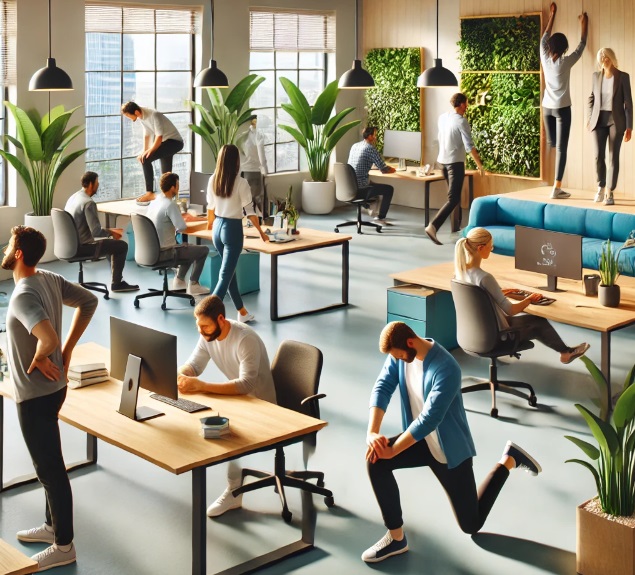
Integrating Micro-Breaks Into the Workplace
The Role of Leadership
For micro-break strategies to be successful, buy-in from leadership is essential. Managers and supervisors must model healthy break behaviors by taking micro-breaks themselves and encouraging their teams to do the same. Without leadership support, employees may feel hesitant to take short breaks, especially in fast-paced or high-pressure environments.
Creating a Micro-Break Culture
Building a micro-break culture begins with education. Employees need to understand the science-backed benefits of micro-breaks and how they can enhance productivity and well-being. Organizations can host workshops, training sessions, or wellness campaigns to introduce the concept and provide guidance on how to incorporate micro-breaks into daily routines.
Companies like Google and Microsoft have been pioneers in creating a workplace culture that emphasizes the importance of short breaks. They’ve introduced “break pods,” stretch sessions, and mindfulness corners to encourage employees to take a few moments to reset. These companies have seen an increase in employee satisfaction and a reduction in burnout rates, reinforcing the idea that micro-breaks are not just “wasted time” but rather an investment in long-term productivity.
Designing Workspaces for Micro-Breaks
Physical spaces in the office should also support micro-breaks. Creating designated areas where employees can stretch, walk, or engage in a mindful practice will make it easier to incorporate these short breaks into their routine. Such areas could include standing desks, small lounge areas, or even dedicated relaxation pods where employees can take a few minutes to breathe or meditate. Their very presence in the work place can testify to a healthier group behavioral norm that supports personal and group wellness.
For example, Nike’s headquarters features “wellness zones,” where employees can take 5-minute breaks to meditate or do stretching. The design of these spaces encourages short, restorative practices without fully stepping away from the work environment.
Examples and Anecdotes: The Power of Micro-Breaks
The 5-Minute Walk Break
Take the example of a sales executive named Jake, who works in a high-pressure environment that demands continuous interaction with clients. He noticed that after an hour of client calls, his focus began to wane, and his mood worsened. Upon learning about micro-breaks, Jake decided to implement 5-minute walk breaks after every major call. He would walk around the office, sometimes stepping outside for fresh air.
After a week of these short breaks, Jake found that he returned to his desk feeling more energized, and his conversations with clients became more productive. His performance metrics improved, and his stress levels decreased significantly. Jake’s anecdote demonstrates how a small adjustment in daily routine can have a significant impact on both performance and well-being.
The Stretching Group
In another example, a team of graphic designers at a marketing agency found that they were often dealing with neck and back pain from sitting at their desks for hours. The team’s leader, Sarah, introduced a daily group micro-break strategy: at the top of every hour, the entire team would stand up and do two minutes of stretches together. The group dynamic made the micro-breaks more engaging and fun, and the activity itself helped alleviate physical discomfort.
After just a few weeks of implementing these stretching sessions, the team reported less physical strain, and they noticed a boost in creative energy. This case highlights how micro-breaks can foster team cohesion and reduce the physical toll of sedentary work.
Addressing Common Concerns
“Micro-Breaks Will Disrupt Workflows”
A common concern is that frequent short breaks might interrupt workflow or reduce overall output. However, the opposite is often true. When employees take these short breaks, they return to their tasks with increased focus and energy. Micro-breaks, when planned strategically, can actually reduce the time spent on errors or distractions caused by cognitive fatigue.
“What If Employees Abuse Micro-Breaks?”
Another concern is that employees might misuse micro-breaks, turning them into longer periods of disengagement. To counter this, companies can create clear guidelines on micro-break usage. These breaks should be encouraged but not mandated. The key is to trust employees to manage their own productivity while ensuring that micro-breaks are used as intended: as short, restorative pauses.
“Not All Jobs Allow for Micro-Breaks”
It is true that some job roles, especially in industries like healthcare, manufacturing, or customer service, may not allow for frequent breaks. However, even in these fields, there are ways to incorporate micro-break strategies. For example, healthcare workers can take 30-second breathing exercises between time with patients, or factory workers can incorporate 2-minute stretches during task or re-supply transitions.
Conclusion: A Small Change with Big Impact
Incorporating micro-breaks into the workday can have a lasting, positive impact on employee wellness. By promoting cognitive recovery, reducing physical stress and strain, and enhancing emotional resilience, micro-breaks offer a simple yet effective solution to many of the challenges faced in today’s workplaces.
Organizations that use this strategy are not only investing in their employees’ well-being but also in their long-term productivity and resilience. With strong leadership support, educational initiatives, and thoughtful workspace design, the micro-break strategy can become a cornerstone of a thriving, wellness-focused corporate culture.
The concept of micro-breaks is not just about taking more breaks; it’s about taking the right breaks. When implemented correctly, they help employees feel recharged, reduce burnout, and sustain high performance throughout the day. It’s time for organizations to embrace the power of micro-breaks as an essential component of employee wellness programs.